
About Bbdbuy Spreadsheet
Click the images below to browse!
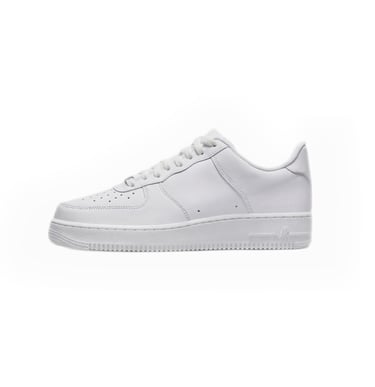
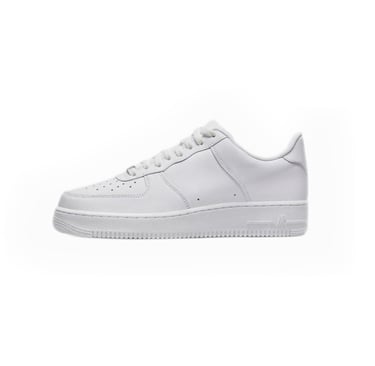
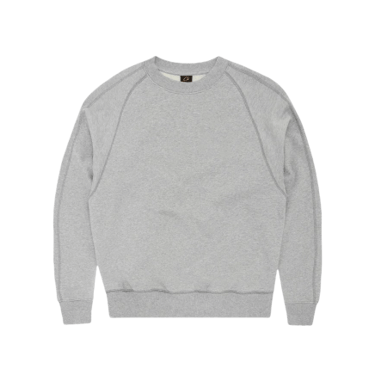
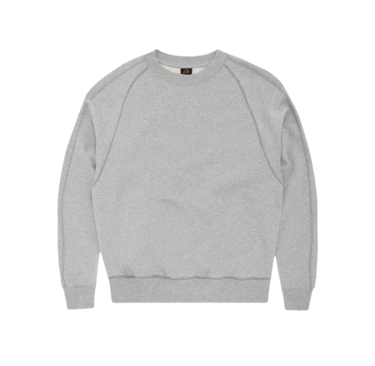
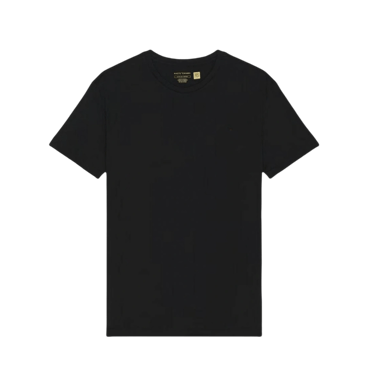
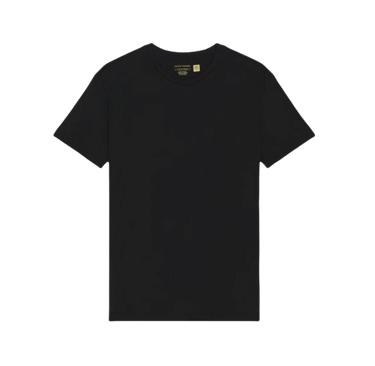
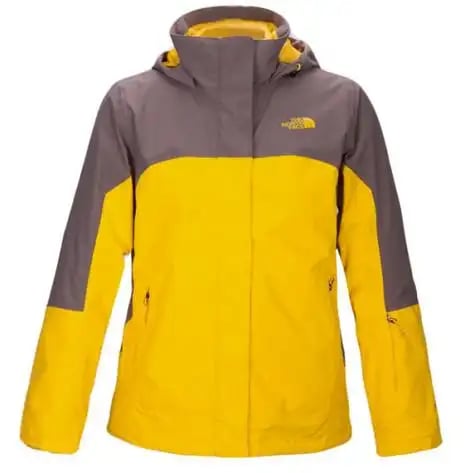
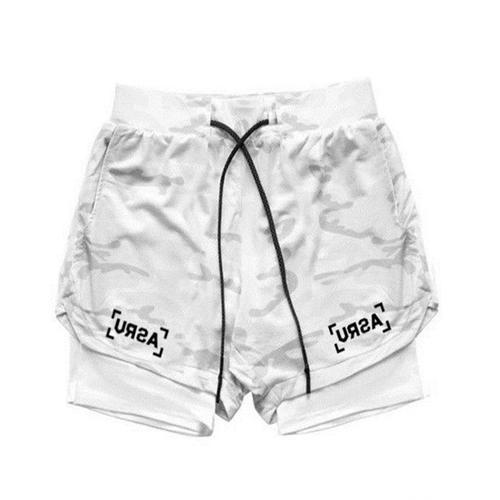
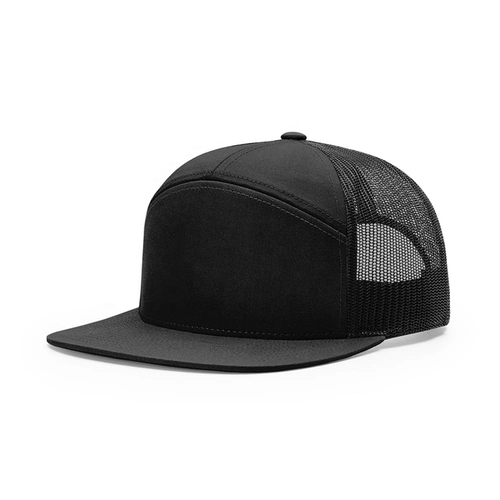
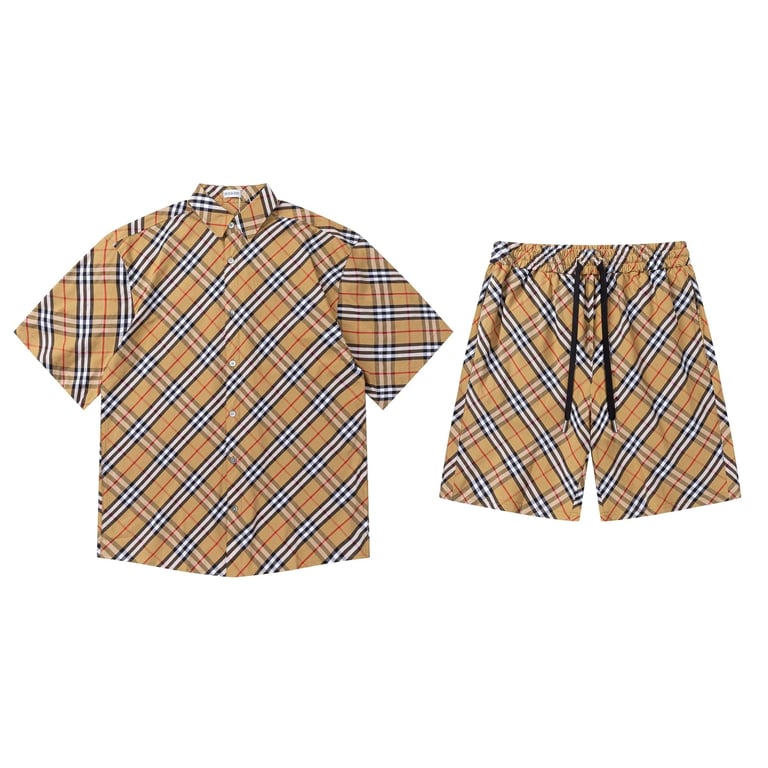
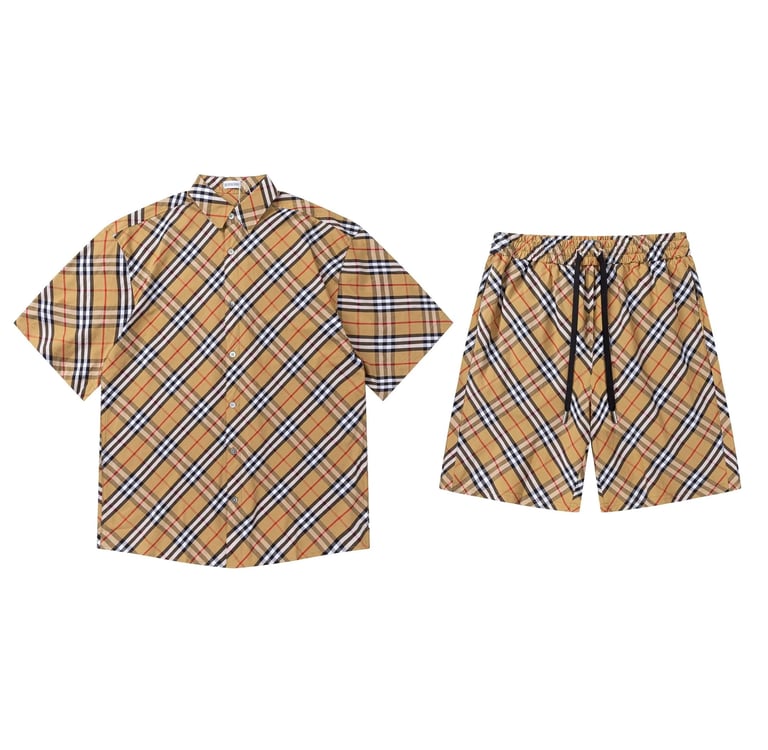
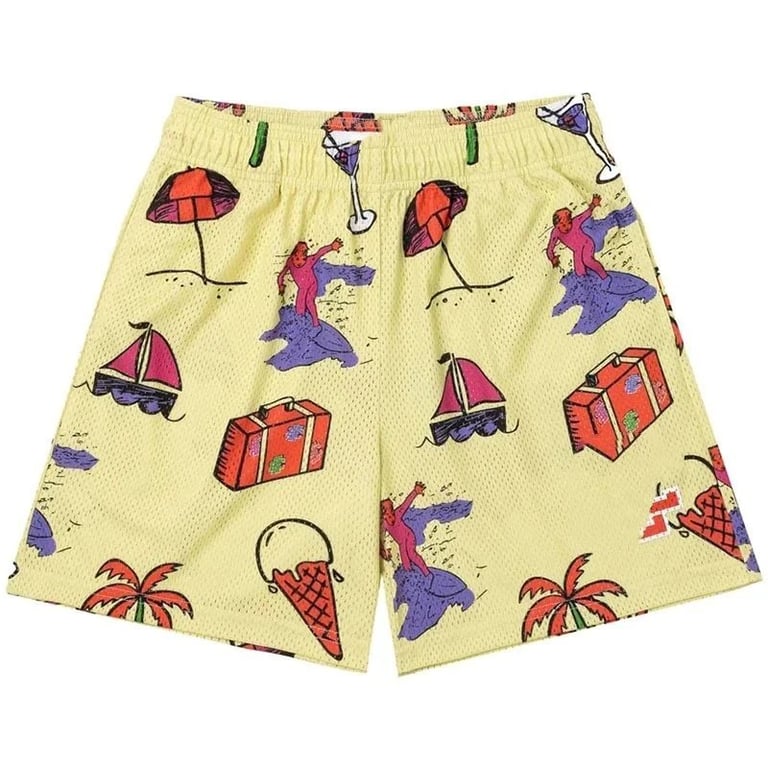
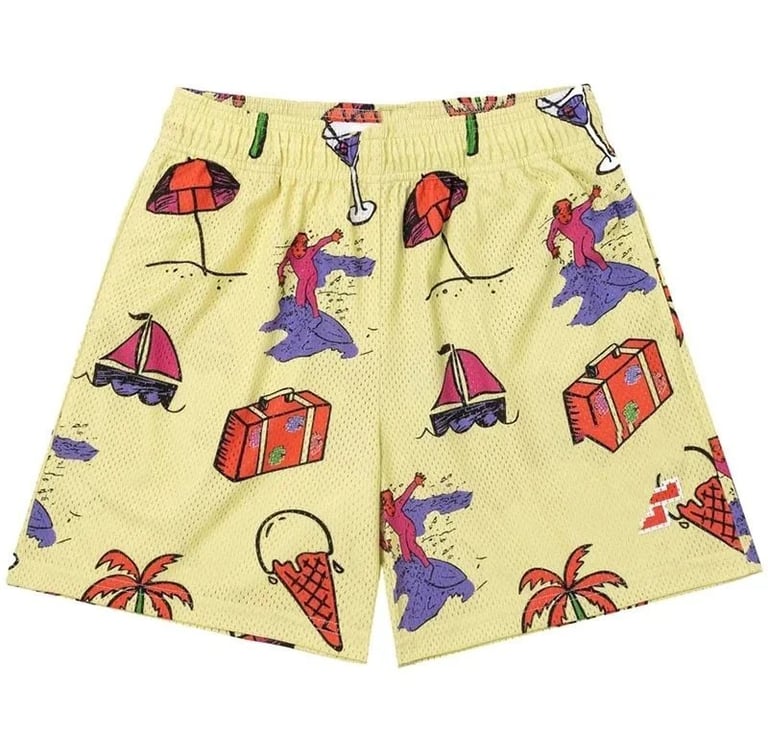
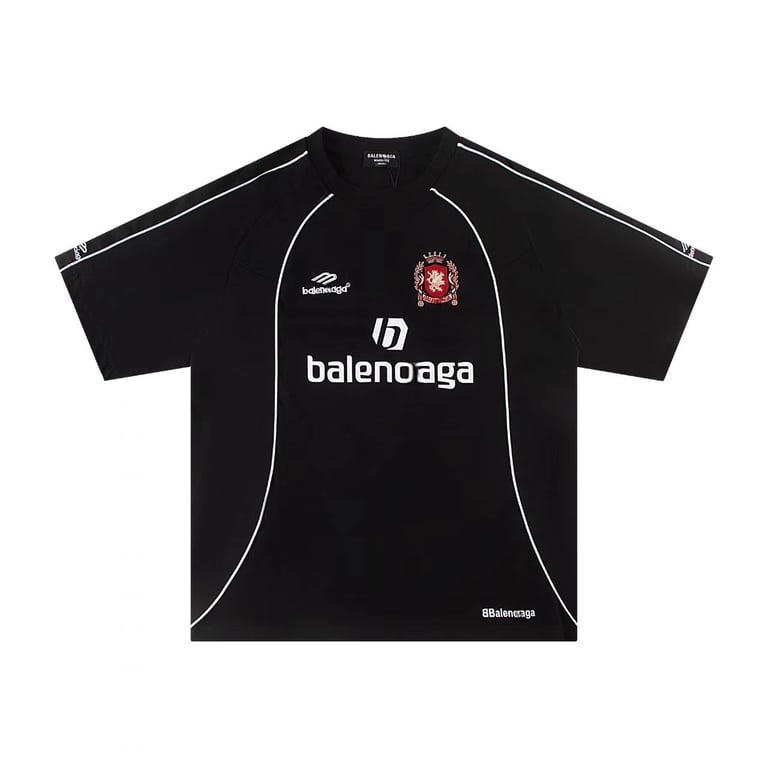
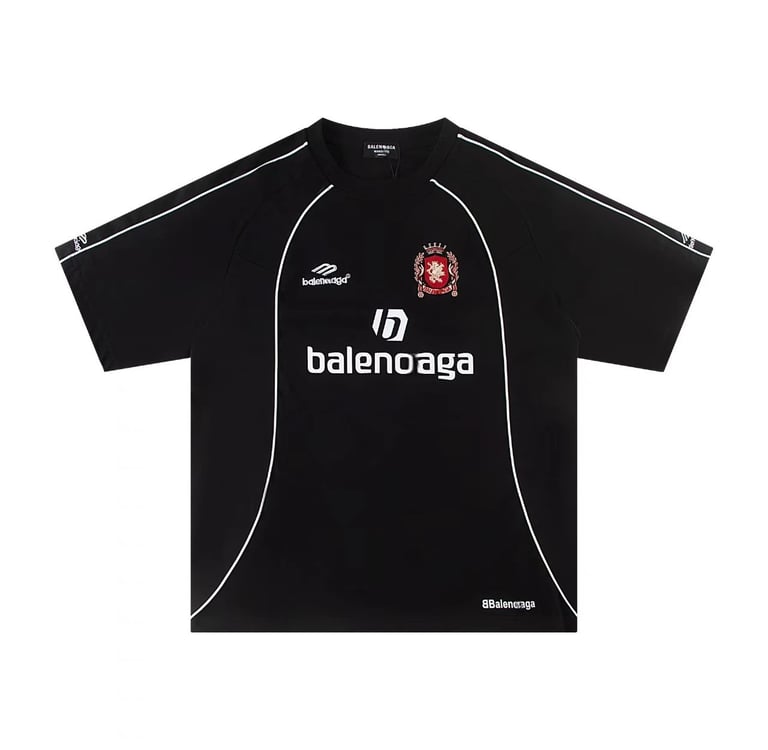
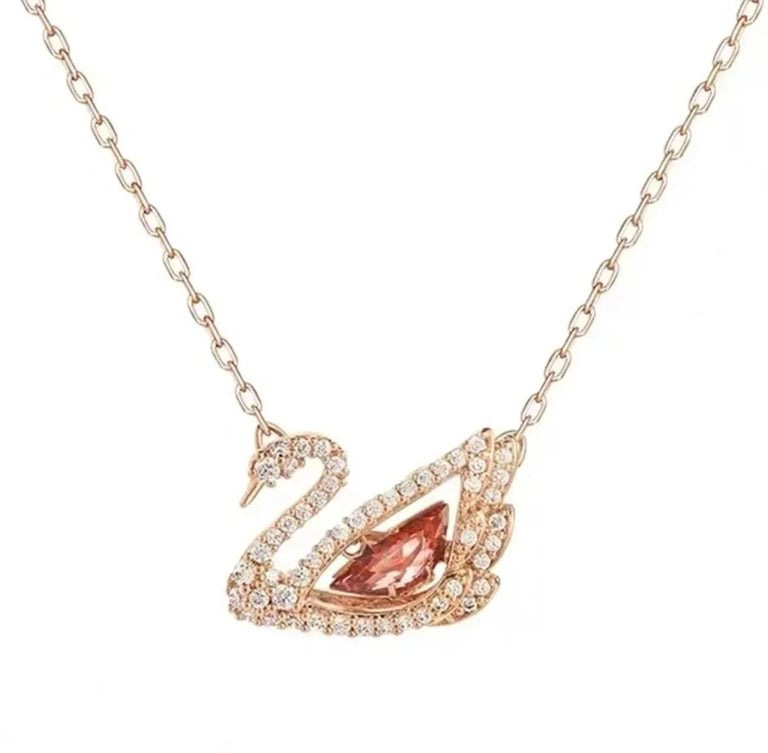
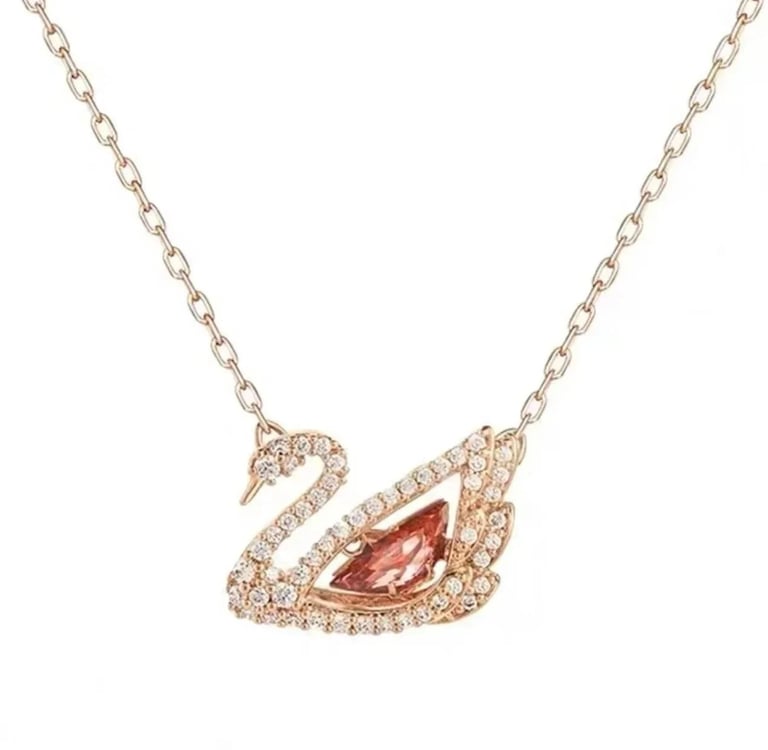
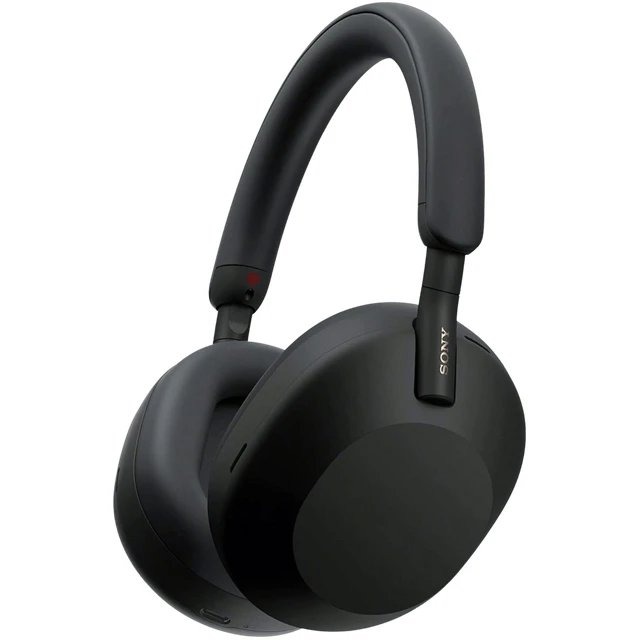
👟 Bbdbuy spreadsheet helping users match shoes and accessories with outfits|style coordination + shopping pairing + visual matching
🧭 Introduction
In cross-border fashion shopping, users often purchase shoes, bags, and accessories separately without a clear coordination plan, which leads to mismatched styles and inconsistent outfit combinations. Even when individual items look good, they may not work well together in real styling scenarios.
The Bbdbuy spreadsheet is designed to solve this problem by structuring shoes, accessories, and outfit references into coordinated datasets. It helps users evaluate how different items work together before purchase. In addition, Bbdbuy links provide grouped access to matching product sets, improving shopping efficiency and reducing styling uncertainty.
👗 Outfit matching difficulty in cross-border shopping
One of the most common issues in fashion ecommerce is the lack of coordination between separately purchased items. Users often buy shoes, bags, and clothing from different suppliers without considering overall outfit harmony.
This leads to problems such as:
Shoes that clash with outfit color tones
Bags that do not match clothing style direction
Accessories that feel visually disconnected from the overall look
Inconsistent formality levels across items
The Bbdbuy spreadsheet helps solve this by organizing products into visual compatibility groups, allowing users to compare items not only individually but also as part of complete outfit combinations.
👟 Coordination logic between shoes, bags, and outfits
Outfit coordination is based on three key dimensions:
Color consistency: matching or complementary tones across items
Style alignment: streetwear, casual, formal, or minimalist direction
Visual weight balance: ensuring no item visually overwhelms others
For example, chunky sneakers typically pair better with oversized streetwear outfits, while minimalist leather shoes align with clean, neutral fashion styles. Similarly, structured handbags often match formal or semi-formal outfits, while casual backpacks fit relaxed clothing combinations.
The Bbdbuy spreadsheet organizes these relationships so users can evaluate compatibility before making purchases, rather than after receiving products.
⚙️ How Bbdbuy spreadsheet supports outfit coordination
The core advantage of the Bbdbuy spreadsheet is its ability to connect individual products into structured outfit logic.
Instead of browsing isolated items, users can:
Compare shoes and accessories within the same style category
Identify which items belong to similar visual themes
Filter products based on outfit compatibility rather than standalone appearance
Evaluate how combinations perform in real styling scenarios
This structured approach reduces guesswork and helps users build complete outfits rather than random collections of items.
In addition, Bbdbuy links allow users to access pre-grouped fashion sets, making coordination faster and more intuitive.
🛒 Improving shopping decision flow through matching systems
Traditional fashion shopping often follows a fragmented decision path where users select shoes first, then bags, then accessories independently. This increases the likelihood of mismatch and repeated purchases.
The Bbdbuy spreadsheet improves this workflow by introducing a coordinated decision structure:
Identify outfit style direction first
Select shoes as the foundation of styling
Match bags based on visual balance
Add accessories for refinement and detail enhancement
Validate final combination before purchase
This structured flow reduces unnecessary trial-and-error purchasing and improves overall satisfaction with fashion choices.
By organizing coordination logic in advance, users can make faster and more confident decisions.
🧠 Fashion coordination behavior and consumer logic
Fashion purchasing behavior is influenced not only by individual product preference but also by how items work together as a complete visual system.
Users typically consider:
Whether items match their personal style identity
Whether combinations reflect current fashion trends
Whether outfits remain versatile across different occasions
Whether accessories enhance or disrupt overall styling harmony
The Bbdbuy spreadsheet supports this decision logic by translating subjective styling preferences into structured coordination patterns. Instead of relying purely on intuition, users can evaluate outfit compatibility using consistent criteria.
This improves styling accuracy and reduces dissatisfaction caused by mismatched fashion combinations, especially in cross-border shopping environments where returns and exchanges are more complex.
🧾 Conclusion
The Bbdbuy spreadsheet improves cross-border fashion shopping by helping users coordinate shoes, bags, and accessories into complete outfit systems.
By structuring style relationships, visual matching rules, and product compatibility logic, it enables more accurate and efficient outfit building before purchase.
Together with Bbdbuy links, it creates a streamlined shopping experience that reduces mismatch risk and supports more consistent personal style development in global fashion markets.