
Bbdbuy Finds
Spreadsheet
OVER 5000+
WITH QC PHOTOS
Click the images below to browse!
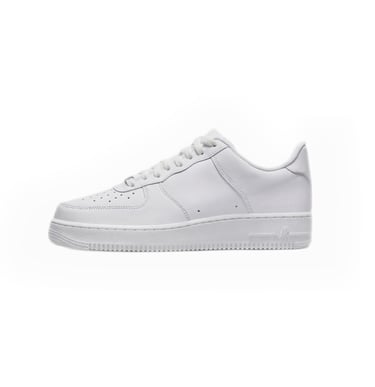
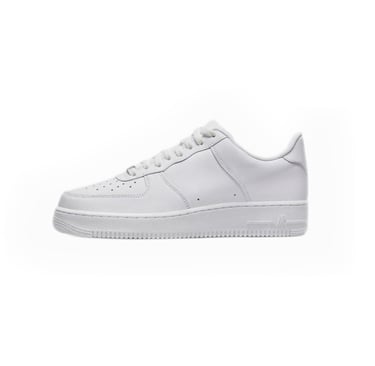
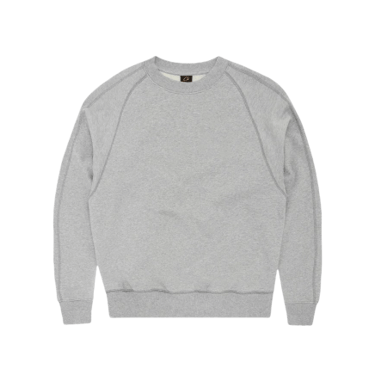
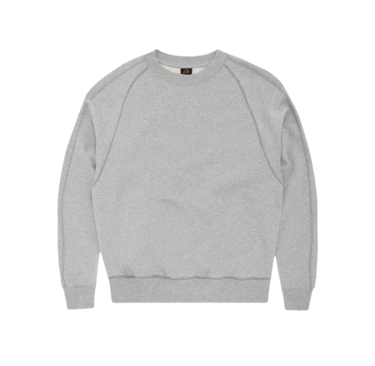
👟 Bbdbuy spreadsheet for selecting trendy shoes from cross-border marketplaces|sneakers + boots + casual shoes
🧭 Introduction
Cross-border footwear shopping has become increasingly popular as users explore global marketplaces for sneakers, boots, and casual shoes. However, product listings across platforms such as 1688 and micro-suppliers are often inconsistent in sizing, material descriptions, and style categorization.
The Bbdbuy spreadsheet helps solve this issue by structuring shoe products into clear comparison groups. It allows users to evaluate sneakers, boots, and casual shoes based on style, price, and usage scenario before making purchase decisions. In addition, Bbdbuy links provide direct access to curated product sources, reducing browsing time and improving selection efficiency.
👟 Cross-border shoe purchasing logic
Buying shoes from cross-border marketplaces is not only about style selection but also about understanding functional differences between products sourced from different regions.
Users often face challenges such as:
Inconsistent sizing standards across countries
Different interpretations of “casual” or “sport” footwear
Unclear material descriptions in supplier listings
Difficulty comparing similar-looking shoe models
The Bbdbuy spreadsheet structures these listings into standardized comparison formats so users can evaluate shoes based on consistent criteria rather than fragmented product pages.
This helps reduce decision errors caused by inconsistent supplier information.
👟 Sneakers / boots / casual shoe classification system
One of the core functions of structured footwear shopping is clear category separation.
The Bbdbuy spreadsheet organizes shoes into three main groups:
Sneakers: athletic shoes, lifestyle sneakers, running-inspired designs
Boots: ankle boots, work boots, winter boots, fashion boots
Casual shoes: loafers, slip-ons, everyday comfort shoes
Each category reflects a different usage scenario and design purpose.
Sneakers are typically associated with mobility and streetwear culture, boots are linked to durability and seasonal protection, while casual shoes focus on daily comfort and versatility.
This classification helps users avoid mixing different footwear purposes when comparing products, which is a common issue in unstructured cross-border listings.
📏 Size and regional fitting differences in footwear
One of the biggest challenges in cross-border shoe shopping is size inconsistency across regions.
For example:
Asian sizing often runs smaller compared to EU/US standards
Some suppliers use non-standard measurement systems
Half sizes may not be available in certain regions
Fit descriptions vary between “tight fit” and “relaxed fit” without clear metrics
These inconsistencies make it difficult for users to select the correct size confidently.
The Bbdbuy spreadsheet addresses this by allowing structured comparison of size data across suppliers, helping users align product sizing with their local standards before purchasing.
This reduces return rates and improves overall purchase satisfaction.
👟 Shoe trend patterns in cross-border marketplaces
Footwear trends in cross-border ecommerce are heavily influenced by global fashion cycles and regional demand differences.
Common trends include:
Chunky sneakers and retro-style athletic shoes
Minimalist casual shoes with neutral color palettes
Functional boots designed for both fashion and durability
Hybrid designs combining streetwear and performance elements
The Bbdbuy spreadsheet helps users identify these trends by grouping similar designs together, making it easier to recognize which styles are gaining popularity across suppliers.
Instead of browsing individual listings, users can observe trend clusters and make more informed style decisions.
This improves both fashion alignment and purchase timing.
🧠 Shoe purchasing behavior and decision logic
Footwear purchasing behavior is strongly influenced by both functional needs and visual preference.
Users typically consider:
Comfort and long-term wearability
Compatibility with outfits
Durability based on material quality
Seasonal usability (summer vs winter footwear)
Unlike fast fashion items, shoes require higher decision accuracy due to longer usage cycles.
The Bbdbuy spreadsheet supports this decision logic by structuring footwear into comparison-ready datasets, allowing users to evaluate multiple factors simultaneously instead of relying on visual impression alone.
This leads to more rational purchase decisions and reduces mismatches between expectation and actual product performance.
🧾 Conclusion
The Bbdbuy spreadsheet improves cross-border footwear shopping by organizing sneakers, boots, and casual shoes into structured comparison groups.
By solving issues related to sizing inconsistency, category confusion, and fragmented listings, it helps users make faster and more accurate purchasing decisions.
Together with Bbdbuy links, it creates a streamlined shopping process that improves product discovery efficiency and reduces decision uncertainty in global footwear markets.
👜 Bbdbuy spreadsheet organizing bags and accessories for easier shopping|handbags + backpacks + jewelry
🧭 Introduction
This list is designed to help users simplify cross-border shopping for bags and accessories by organizing products into clear, comparable groups. In many global marketplaces, handbags, backpacks, and jewelry are often listed without consistent structure, making it difficult to evaluate style, function, and price differences efficiently.
The Bbdbuy spreadsheet organizes these items into structured categories so users can quickly compare similar products and make faster purchasing decisions. It reduces browsing complexity and helps users identify the most suitable accessories based on usage, style, and budget. In addition, Bbdbuy links provide direct access to curated product sources, improving shopping efficiency.
🏆 Top 10 Bags & Accessories Picks
1. Structured Tote Handbag
A versatile everyday handbag designed for work and casual use.
Best for office environments, commuting, and daily essentials.
The Bbdbuy spreadsheet helps compare materials and capacity across similar tote designs.
2. Minimalist Leather Shoulder Bag
Compact shoulder bag with clean design and premium look.
Ideal for light travel, shopping, and social outings.
Users can evaluate price and leather quality through structured listings in the Bbdbuy spreadsheet.
3. Large Capacity Travel Backpack
Functional backpack designed for travel, school, or work.
Suitable for carrying laptops, clothing, and daily essentials.
The Bbdbuy spreadsheet helps compare storage capacity and ergonomic design.
4. Fashion Mini Crossbody Bag
Small crossbody bag focused on style and portability.
Best for short outings, events, and light accessory carrying.
Bbdbuy links provide grouped access to trending mini bag styles.
5. Anti-theft Urban Backpack
Secure backpack designed for city commuting and travel safety.
Ideal for crowded environments and daily transport.
The Bbdbuy spreadsheet helps compare safety features and compartment design.
6. Layered Jewelry Set (Necklace + Earrings)
Coordinated jewelry set for fashion styling.
Suitable for events, casual wear enhancement, and gifting.
Users can compare material types and design consistency using the Bbdbuy spreadsheet.
7. Stainless Steel Minimalist Jewelry
Durable jewelry option with simple modern design.
Best for daily wear and long-term use without frequent maintenance.
Bbdbuy links provide access to grouped minimalist jewelry collections.
8. Canvas Casual Backpack
Lightweight backpack suitable for school and daily commuting.
Ideal for users preferring simple and practical designs.
The Bbdbuy spreadsheet helps compare durability and fabric quality.
9. Luxury Style Chain Shoulder Bag
Fashion-focused shoulder bag with decorative chain design.
Best for social events, parties, and fashion coordination.
Users can compare styling variations across suppliers using the Bbdbuy spreadsheet.
10. Adjustable Fashion Belt Accessory
Multi-purpose belt used for styling and outfit enhancement.
Suitable for both casual and semi-formal outfits.
Bbdbuy links help users explore different design variations efficiently.
📊 Comparison Summary
Across all categories, handbags provide the highest functional value, while backpacks focus on utility and capacity. Jewelry and accessories contribute primarily to styling and outfit enhancement rather than storage or function.
Users relying on the Bbdbuy spreadsheet benefit from structured comparison across materials, usage scenarios, and price levels. Meanwhile, Bbdbuy links improve discovery speed by grouping similar fashion accessories together.
From a consumption behavior perspective, accessories purchasing is highly influenced by emotional preference, outfit matching needs, and trend awareness. Structured grouping reduces impulse-based decisions and improves long-term style consistency.
📌 Purchase Logic Insight
In cross-border accessory shopping, users typically evaluate products based on three core factors: functionality, aesthetic alignment, and versatility. The Bbdbuy spreadsheet helps translate these subjective preferences into structured comparison criteria, making it easier to choose items that match both lifestyle and fashion needs.